Online Learning vs Traditional Classroom Education: Which Is Better?
Education has always evolved with society, technology, and human needs. For centuries, traditional classroom education has been the primary method of learning, where students gather in schools and universities to interact with teachers and classmates. However, the rapid growth of the internet, artificial intelligence, and digital platforms has introduced a new approach: online learning.
Online education has transformed how students access knowledge. From virtual classrooms and recorded lectures to interactive learning platforms and AI-powered tutoring tools, digital education provides opportunities for learners worldwide. At the same time, traditional classrooms continue to offer valuable face-to-face interaction, discipline, and social experiences.
The debate between online learning vs traditional classroom education is not simply about choosing one over the other. Each method has unique strengths and limitations. The best choice depends on students’ learning styles, goals, resources, and personal circumstances.
Understanding Online Learning 💻
Online learning, also known as digital education or e-learning, is a method of education where students use internet-based platforms to attend classes, access study materials, complete assignments, and communicate with instructors.
Students can learn through:
- Video lectures 🎥
- Online courses
- Virtual classrooms
- Educational apps
- Digital textbooks
- Discussion forums
- AI learning assistants
Online learning became especially popular during the COVID-19 pandemic, when schools and universities worldwide shifted to virtual classrooms. Since then, many institutions have continued using online tools because of their flexibility and accessibility.
Advantages of Online Learning 🌐
1. Flexibility and Convenience ⏰
One of the biggest benefits of online education is flexibility. Students can study from anywhere and often choose when they want to learn.
A student can attend classes:
- From home
- While working part-time
- During travel
- According to their own schedule
This makes online learning especially useful for working professionals, parents, and students who cannot attend traditional classes regularly.
For example, a student can watch a recorded lecture at night instead of missing important lessons because of daytime responsibilities.
2. Access to Global Education 🌍
Online learning removes geographical barriers. Students are no longer limited to institutions available in their local areas.
Through digital platforms, learners can access:
- International courses
- Expert instructors
- Specialized subjects
- Global learning communities
A student living in a rural area can learn from professors and experts located thousands of kilometers away.
3. Cost-Effective Learning 💰
Online education can often be more affordable than traditional education.
Students may save money on:
- Transportation costs
- Accommodation expenses
- Printed textbooks
- Campus fees
Many online courses also provide free or low-cost learning resources, making education more accessible to a wider audience.
4. Personalized Learning Experience 🤖
Modern digital platforms use artificial intelligence and data analysis to create personalized learning experiences.
AI-powered systems can:
- Recommend study materials
- Track student progress
- Identify weak areas
- Provide customized practice questions
This allows students to learn at their own speed instead of following a fixed classroom pace.
5. Development of Digital Skills 💡
Online learning naturally improves technology skills. Students become familiar with:
- Digital communication
- Online research
- Virtual collaboration tools
- Technology-based problem solving
These skills are increasingly important in modern workplaces.
Challenges of Online Learning ⚠️
1. Lack of Face-to-Face Interaction
One major disadvantage of online education is limited physical interaction.
Traditional classrooms allow students to:
- Ask questions immediately
- Participate in discussions
- Build friendships
- Develop communication skills
Some students may feel isolated when learning alone behind a screen.
2. Requires Strong Self-Discipline
Online learning requires motivation and time management.
Without a fixed classroom schedule, some students may struggle with:
- Procrastination
- Poor concentration
- Missing deadlines
- Lack of regular study habits
Students must take greater responsibility for organizing their own learning.
3. Technology Problems 💻
Digital education depends heavily on technology.
Common problems include:
- Poor internet connection
- Lack of devices
- Software issues
- Technical difficulties
Students without reliable internet access may face difficulties participating equally.
4. Limited Practical Learning Opportunities
Some subjects require hands-on experience, such as:
- Laboratory sciences
- Medical training
- Engineering workshops
- Practical arts
Online learning may not fully replace physical practice and real-world experiences.
Understanding Traditional Classroom Education 🏫
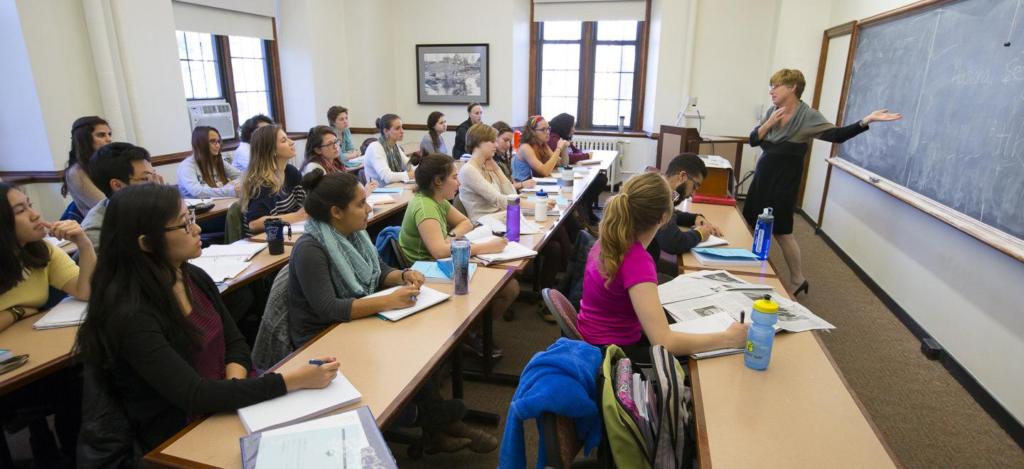
Traditional classroom education is the conventional method where students and teachers meet physically in schools, colleges, or universities.
It involves:
- Direct teaching
- Classroom discussions
- Group activities
- Practical sessions
- Face-to-face interaction
Despite technological changes, traditional education remains an important part of the global education system.
Advantages of Traditional Classroom Education 📚
1. Direct Teacher Interaction 👩🏫
A major strength of classroom learning is immediate communication between students and teachers.
Teachers can:
- Explain difficult concepts
- Observe student understanding
- Provide instant feedback
- Adjust teaching methods
Personal interaction often creates stronger learning connections.
2. Better Social Development 🤝
Schools and universities are not only places for academic learning but also environments for social growth.
Students develop:
- Communication skills
- Teamwork
- Leadership abilities
- Friendships
- Confidence
Group projects and classroom discussions teach valuable interpersonal skills.
3. Structured Learning Environment 📅
Traditional classrooms provide a fixed routine.
Students benefit from:
- Regular schedules
- Teacher supervision
- Organized lessons
- Academic discipline
This structure helps many students stay focused and motivated.
4. Practical and Hands-On Learning 🔬
Many subjects require physical participation.
Classrooms provide opportunities for:
- Science experiments
- Laboratory work
- Sports activities
- Workshops
- Field training
These experiences are difficult to fully recreate online.
5. Stronger Student Engagement
Physical classrooms encourage active participation through:
- Debates
- Group discussions
- Presentations
- Classroom activities
Students often feel more connected and involved.
Challenges of Traditional Classroom Education ⚠️
1. Limited Flexibility
Traditional education follows fixed schedules.
Students must attend classes at specific times and locations, which may be difficult for:
- Working students
- Distance learners
- People with family responsibilities
2. Higher Costs
Traditional education can involve significant expenses, including:
- Transportation
- Housing
- Campus fees
- Physical learning materials
For some learners, these costs create barriers.
3. One-Size-Fits-All Approach
In a classroom with many students, teachers usually follow a common teaching method.
However, students have different:
- Learning speeds
- Interests
- Strengths
- Weaknesses
Some students may need additional support that a traditional classroom cannot always provide.
4. Geographical Limitations
Students can only attend institutions available in their area unless they relocate.
This limits access to specialized courses and expert teachers.
Online Learning vs Traditional Classroom: A Comparison Table 📊
| Feature | Online Learning | Traditional Classroom |
|---|---|---|
| Location | Anywhere with internet | Fixed classroom |
| Flexibility | Very high | Limited |
| Teacher Interaction | Mostly virtual | Face-to-face |
| Cost | Usually lower | Usually higher |
| Social Interaction | Limited | Strong |
| Learning Speed | Self-paced | Fixed pace |
| Technology Requirement | High | Moderate |
| Practical Training | Limited | Better |
| Accessibility | Global | Local |
Which Is Better: Online Learning or Traditional Education? 🤔
There is no universal answer because both methods serve different purposes.
Online learning may be better for students who:
✅ Need flexibility
✅ Prefer independent study
✅ Want affordable education
✅ Have strong self-discipline
✅ Need access to global courses
Traditional classroom education may be better for students who:
✅ Prefer personal guidance
✅ Learn better through interaction
✅ Need structured schedules
✅ Want campus experiences
✅ Require practical training
The Future: Blended Learning Is the Best Solution 🚀
The future of education is likely to combine both approaches through blended learning.
Blended learning combines:
- Classroom teaching
- Online resources
- Digital tools
- Interactive activities
For example, students may attend physical classes while also using online platforms for assignments, recorded lectures, and additional practice.
This approach provides the benefits of both systems:
- Personal teacher support
- Flexible learning options
- Technology-based resources
- Better student engagement
Conclusion 🎯
Online learning and traditional classroom education both have important advantages and challenges. Digital education provides flexibility, affordability, and global access, while traditional classrooms offer personal interaction, social development, and practical experiences.
Rather than replacing traditional education completely, online learning is expanding educational possibilities. The most effective education system of the future will likely combine technology with human connection.
Ultimately, the best learning method depends on the student’s needs, learning style, goals, and available resources. Whether online or offline, the true purpose of education remains the same: helping individuals gain knowledge, develop skills, and prepare for a successful future. 🌟